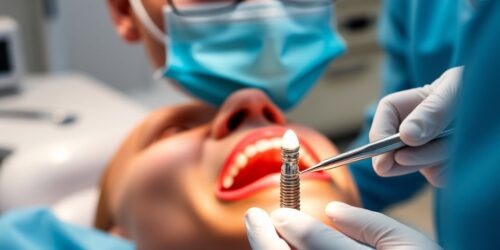
The Hidden Downsides of Dental Implants: Risks & Costs
It’s important to understand that while dental implants can offer a permanent solution to tooth loss, they also come with potential downsides. You may experience complications such as infection, nerve damage, or implant failure. Additionally, the procedure can be costly and may require multiple visits to the dentist. Furthermore, if you have underlying health issues, your eligibility for this treatment might be affected. By knowing these possible drawbacks, you can make a more informed decision about whether dental implants are right for your oral health needs.

Financial Burdens: The Cost Factor
The financial implications of dental implants can weigh heavily on your decision-making process. While they are often regarded as a long-term solution for tooth loss, the upfront costs can be significant. Dental implants typically range from $3,000 to $4,500 for a single implant, and depending on your dental condition and additional treatments required, the total expenses can escalate quickly. Considering insurance plans may only cover a fraction, it’s important to evaluate the overall financial burden this option may impose on your budget.
Initial Investment vs. Long-term Expenses
Investing in dental implants requires weighing the initial cost against potential long-term expenses. While the upfront payment may seem daunting, implants can last decades with proper care, making them more cost-effective than other options like dentures or bridges over time. Factors like maintenance, follow-up visits, and the need for replacements should all be factored into your overall cost analysis.
Unforeseen Costs: Maintenance and Complications
Unforeseen costs associated with dental implants can arise from necessary maintenance and unexpected complications. Regular dental check-ups and proper hygiene are vital to ensuring the longevity of your implants, and neglecting these could lead to additional expenses if issues occur. Some patients experience complications such as infections or implant failure, which can require further surgical procedures and additional treatments, driving up costs.
Complications after a dental implant procedure can vary widely, leading to additional financial burdens you may not anticipate. For instance, if you encounter peri-implantitis, an infection around the implant, treatments can range from deep cleanings to even surgery, costing hundreds or thousands of dollars. Furthermore, if the implant fails, you may have to bear not only the cost of removing the failed implant but also the placement of a new one. Given these potential pitfalls, it’s wise to budget for your dental implant journey comprehensively, ensuring you’re prepared for any surprises along the way.
Health Risks: The Hidden Dangers
Dental implants, while often providing a long-lasting solution for missing teeth, come with a set of health risks that should not be overlooked. These risks can range from surgical complications during the procedure to potential infections that may arise during the healing process. Understanding these hidden dangers is necessary, as they can directly impact your overall oral health and the success of your implant procedure.
Surgical Complications: What to Expect
Undergoing dental implant surgery involves a degree of risk inherent to any surgical procedure. You may experience complications such as excessive bleeding, nerve damage, or damage to surrounding teeth and structures. These issues can lead to discomfort and may require additional treatments, increasing the time it takes for recovery and adding to your overall investment in the procedure.
Potential for Infection: Understanding the Risks
An infection at the surgical site is one of the more common complications following dental implant placement. This can occur if bacteria enter the implant site, leading to inflammation and delayed healing. Factors such as pre-existing medical conditions, poor oral hygiene, or smoking can heighten the risk of infection, necessitating prompt attention to signs of discomfort or unusual swelling around the implant area.
Infections surrounding dental implants can escalate if not addressed swiftly, potentially leading to implant failure. Symptoms might include persistent pain, fever, or a bad taste in your mouth. If you have conditions such as diabetes or are undergoing treatments that suppress your immune system, you’re at a higher risk, making it vital to practice excellent oral hygiene and follow your dentist’s postoperative care instructions diligently. Studies indicate that about 5-10% of dental implants experience failure due to infection, emphasizing the importance of vigilance in the days and weeks following your procedure.
The Psychological Impact: Emotional Considerations
The journey to acquiring dental implants can stir a mix of emotions. You might find excitement at the prospect of a renewed smile but also face anxiety and uncertainty about the transition from natural teeth to implants. This emotional rollercoaster is common, and understanding these feelings can make the process smoother. As you weigh the physical benefits against your emotional well-being, it’s imperative to acknowledge your psychological landscape to approach the situation holistically.
Expectations vs. Reality: Managing Disappointment
Your expectations for dental implants can sometimes exceed the reality of the procedure and its outcomes. While the promise of improved aesthetics and functionality is compelling, the healing process, potential complications, and the adaptation to artificial teeth can lead to disappointment. Many patients hope for an immediate return to normalcy, yet this isn’t always achievable, necessitating a recalibration of what success means in your journey.
Anxiety and Adjustment: Coping with Change
Transitioning to dental implants can evoke anxiety as you adjust to this significant change in your oral health. From the procedural aspects to the new sensations of chewing and speaking, your daily routine can feel disrupted. While these feelings are natural, recognizing and addressing them can help ease the adjustment process, allowing you to embrace the benefits of your new implants more fully.
Learning to cope with anxiety and adjustment after receiving dental implants often involves both mental and practical strategies. Connecting with support groups, talking to others who have undergone similar procedures, or seeking advice from your dentist about the healing process can mitigate fears. Establishing a daily routine that includes gentle exercises, relaxation techniques, and a positive mindset can also enhance your emotional resilience during this transitional period. By acknowledging your feelings and actively working through them, you can better approach this significant change with confidence and positivity.

Longevity Myths: Debunking Misconceptions
Many people believe that dental implants last forever, but this is far from the truth. While they are designed for long-term use, the lifespan of dental implants depends on various factors that can affect their longevity. Understanding these misconceptions can help you set realistic expectations and better care for your implants.
Lifespan of Implants: What the Research Says
Research suggests that dental implants can last between 10 to 30 years, with an average lifespan of about 15 years. Studies indicate that about 90-95% of implants remain functional after a decade. However, individual experiences may vary significantly based on personal health conditions and dental hygiene practices.
Factors Influencing Durability: Lifestyle and Care
Your lifestyle choices and oral care routines directly impact the longevity of your dental implants. Factors such as smoking, diet, and regular dental visits play significant roles in how well your implants will perform over time. Adopting healthy habits can significantly enhance the durability of your implants.
- Nutrition: A balanced diet rich in minerals supports gum health and bone density.
- Hygiene: Regular brushing and flossing prevent infections that can compromise implants.
- Habits: Avoiding tobacco and limiting alcohol can significantly reduce failure rates.
The importance of maintaining good oral hygiene cannot be overstated. Consistent dental check-ups help detect issues early, while effective cleaning routines can prevent plaque build-up and gum disease. Being proactive about your dental care will be an necessary part of enjoying the benefits of your implants over the years.
- Regular Check-ups: Frequent visits to your dentist ensure any potential problems are caught early.
- Oral Care Regimen: Following a strict care routine supports the health of your implant and surrounding tissues.
- Stress Management: Reducing stress can lower the risk of teeth grinding, which can impact implant durability.
The combination of healthy lifestyle choices and preventive care goes a long way in maximizing the lifespan of your dental implants, ensuring they serve you well for many years to come.

Alternative Options: Considering Other Solutions
Dental implants are often seen as the gold standard for replacing missing teeth, but they may not be the ideal choice for everyone. Exploring alternative options such as dentures or bridges can provide you with effective solutions that might better suit your needs or budget. It’s vital to weigh these alternatives carefully, looking at factors like cost, maintenance, and adaptability to ensure an informed decision for your oral health journey.
Pros and Cons of Dentures and Bridges
Pros and Cons of Dentures vs. Bridges
| Pros | Cons |
|---|---|
| Lower initial cost compared to implants | Can become loose or shift in the mouth |
| Quick and simple to fit | May require regular adjustments for comfort |
| Non-invasive option without surgery | Less durable and may need replacement over time |
| Lower maintenance compared to implants | Can affect taste and speech initially |
| Bridges can enhance surrounding tooth structure | Requires alteration of adjacent healthy teeth |
Innovations in Dental Technology: What’s on the Horizon
Advancements in dental technology are opening up new possibilities for tooth replacement that might better meet your needs. Innovations such as 3D printing are making it easier to create customized dentures and bridges that fit more comfortably and are more aesthetically pleasing. Regenerative medicine, including stem cell research, holds promise in potentially allowing the regeneration of lost tooth structures, rather than relying on artificial replacements. As these technologies develop, patients may benefit from quicker, more effective solutions that improve both oral health and overall quality of life.
Final Words
Considering all points, while dental implants offer a long-term solution for missing teeth, you should be aware of potential downsides such as the surgical risks, the need for sufficient bone density, and the possibility of complications like infection. Additionally, implants can be costly, and they require a commitment to proper oral hygiene and regular dental visits to ensure their longevity. Balancing these factors against the benefits will help you make an informed decision that aligns with your dental health needs and lifestyle.
What are the alternative solutions to dental implants, and what are their pros and cons?
Alternative options include dentures and bridges. Dentures are less expensive, non-invasive, and quick to fit but may shift and require adjustments. Bridges can improve surrounding tooth structure but necessitate altering adjacent healthy teeth. These alternatives may better suit those with budget constraints or health considerations.
Are dental implants suitable for everyone, or are there specific health conditions that might affect eligibility?
Eligibility for dental implants depends on individual health conditions. Underlying issues such as insufficient bone density, uncontrolled medical conditions, or smoking can affect candidacy. Consulting with your dentist for a thorough evaluation is necessary to determine if you are a suitable candidate.
How long do dental implants last, and what factors influence their durability?
Dental implants can last between 10 to 30 years, with an average of about 15 years. Their longevity depends on factors such as proper oral hygiene, lifestyle habits like smoking and diet, regular dental visits, and avoiding harmful habits like teeth grinding. Good care is crucial to maximizing their lifespan.
How much do dental implants typically cost, and what are the financial considerations?
The cost of a single dental implant generally ranges from $3,000 to $4,500. Additional expenses can arise from the need for follow-up visits, maintenance, and potential complications like infections or implant failure. Since insurance often covers only part of the cost, it’s important to evaluate the overall financial impact before proceeding.
What are the potential risks and complications associated with dental implants?
Potential risks of dental implants include surgical complications such as excessive bleeding, nerve damage, and damage to surrounding teeth. There is also a risk of infection at the surgical site, which can lead to inflammation and delayed healing. Proper oral hygiene and prompt attention to symptoms are essential to minimize these risks.